Showing posts with label Album Reviews. Show all posts

Monday, July 3, 2017

ALBUM REVIEW: "Freewheelin' by Bob Dylan

Getty Images
If there is one principle true for all great art, it is that repeat visits reward with new insights. This is as true for great pop records as it is for great paintings, great books and great films. Case in point: Bob Dylan’s sophomore album Freewheelin’. I just re-listened to this LP for the umpteenth time (which means that I’ve heard this recording I don’t know how many times over the past four decades) and it never fails to offer something new. In Dylan’s expansive catalog, I’m hard-pressed to name another record better than this one. And I’ve tried them all.
Freewheelin’ was the follow-up to Dylan’s eponymous 1962 debut — an album that sold so poorly that Dylan was nicknamed “Hammond’s Folly” by execs at Columbia Records. But whereas his debut showcased Dylan in full Woody Guthrie mode (and still making wild claims about a mythical childhood in the Southwest or raised by wolves in the Black Hills of the Dakotas), Freewheelin’ is where Bob Dylan actually finds his voice. It’s here that he puts the finishing touches on his persona by adding touches of James Dean and Marlon Brando to Guthrie 2.0 and Ramblin’ Jack.
And regarding the LP’s most famous song… Just as some “true” Beatles fans identify themselves by denigrating Sgt. Pepper’s Lonely Hearts Club Band, Dylan elitists tend to dismiss “Blowin’ in the Wind.” In truth, “Blowin’ in the Wind” rates among the greatest American songs of the 20th Century. I imagine it gets the short shrift now because it’s joined the ranks of anthems like “Amazing Grace” and “We Shall Overcome,” yet on an album of major and minor masterpieces, “Blowin’ in the Wind” really does remain the jewel in the crown.
But the rest of the album has many high points: “Girl of the North Country” has near-perfect lyrics; “Down the Highway” is classic country blues; and “Bob Dylan’s Blues” plays the essential role of releasing some air from the profundity balloon. As for “A Hard Rain…,” yes, it’s based on an old Scottish ballad, but it stands there, with one foot in the 17th Century and the other in the 20th. It encompasses Kerouac, Ginsberg, and the Beats and who knows how many other references and when it first was released people were absolutely dumbfounded by it, just like they must have reacted to hearing Charlie Parker for the first time, or Bill Monroe.
“A Hard Rain” is actually the big bang of the singer-songwriter movement; a tune that set the standard for folk authenticity and made writing and singing original material a requirement for artistic legitimacy. Not that Freewheelin’ ends there but you’ll have to sort out for yourself the rankings of unforgettable “Don’t Think Twice,” the satiric “Talkin’ WWIII,” and the revelatory “Corrina, Corrina.”
And then there’s the album’s amazing cover: a simple photo of Bob and his girlfriend walking down a winter street in the Village, which somehow manages to encompass the vague and uncertain concept of “freewheelin'” that gave the LP its name. To be freewheelin’ seems to have something to do with your relationship to the future. If the defining characteristic of what is now called “THE SIXTIES” was an ability to imagine a future as something other than the simple extension of the present then the sixties start here, in those boots, those jeans, that jacket and this amazing album.
– Stan Denski
Photo credit:  Keystone Features (courtesy Getty Images)

Monday, June 19, 2017

Classic Album Series #19: The Rolling Stones – "Let It Bleed"

Released six months after the death of founding member Brian Jones, Let It Bleed saw The Rolling Stones evolve musically and set the foundation for their next four albums with replacement guitarist Mick Taylor. He only features on two of the songs on Let It Bleed but their sound over the next six years would change drastically compared to what came before and it all started with this legendary album.
Gimme Shelter is the opening song and it can be considered one of the greatest songs of all time without question. Everything about this song is perfect from the delicate opening riff to the roaring backing vocals from Merry Clayton who absolutely nails it. The way the song builds and builds is absolutely exquisite and the song remains to this day their greatest ever album opener. 

A cover of the Robert Johnson song Love In Vain comes next which has echoes of their previous album Beggars Banquet due to the acoustic nature. A lot of artists were covering Robert Johnson songs during this particular period in music history, especially blues/rock bands. It doesn’t quite beat the excellence of Cream’s Crossroads cover but it’s certainly one of the best from this period.

Jagger on lead vocals is excellent as always and Richards delivers a gorgeous slide guitar solo. Mick Taylor makes his first appearance on a Rolling Stones album on the next song, Country Honk, where he plays slide guitar. The band released an electric rock version of the song earlier in 1969 called Honky Tonk Women which is an incredible song, but this country version is how the song was originally written according to Keith Richards.

  1. Gimme Shelter
  2. Love In Vain
  3. Country Honk
  4. Live With Me
  5. Let It Bleed
  6. Midnight Rambler
  7. You Got The Silver
  8. Monkey Man
  9. You Can’t Always Get What You Want
The fourth song is Live With Me, the second and final song on the album to feature Mick Taylor who plays rhythm guitar. This song is definitely more in the Gimme Shelter template that the two previous acoustic tracks, and that’s extremely welcome. Richards lays down some catchy riffs and Wyman on bass shows why he was and is one of the most respected bassists of all time. It’s a great track with Bobby Keys supplying a gorgeous sax solo. 
The title track, Let It Bleed, follows which takes the same acoustic route as two of the previous four songs. It’s a nice song but it’s probably my least favourite on the whole album. 
Midnight Rambler injects the album with another dose of electric blues. This song is my second favorite on the album after Gimme Shelter, but it’s a close one. The song really gives another good indication of where the band would go musically on the next few albums, with thick guitar sounds, wailing harp, driving bass alongside Jagger’s flourishing front man performances all front and centre. It’s superb, especially when you bare in mind that Taylor doesn’t even feature on this song. It does feature Brian Jones on congas though, although his influence on their songs at this point was minimal to none.
Keith Richards sings I Got The Silver, the first time he’d take lead vocals on a Rolling Stones song without help from Jagger. The slide guitar playing on this song is very good, one of the highlights from the whole album without a doubt. And Richards taking lead vocals adds another dimension to the album, something that would continue on future albums the band would release. 
Monkey Man is the second to last song which has a chord progression to die for. The bass and piano intro adds to the overall flavour, before guitar and then drums come in to complete the mixture. This probably isn’t one of the songs that immediately stands out when you think of Let It Bleed but in my opinion it’s definitely one of the best. 
The final song is You Can’t Always Get What You Want which at times you almost forget is on the album, as it’s definitely more well known as a standalone single. But it’s a great song nevertheless and acts as a fantastic album closer. Let It Bleed would be the last album the Rolling Stones released in the 1960’s, and their songs wouldn’t sound this innocent ever again. The addition of a choir adds that innocent feel to the song. The 60’s were ending and the 70’s were about to begin. It’s a great song to listen to when you have that in mind. A perfect ending not only to the album, but to the decade.
Let It Bleed is an excellent album. Even though Mick Taylor only features on two of the nine songs, the new direction the band takes is obvious to hear. Brian Jones was such a huge presence in the band during his tenure so his absence was obviously going to cause the band to go in another direction. That direction included stinging riffs, electric blues solo guitar, wailing harmonica and Jagger stepping up and demanding the attention of everyone in the audiences. It all started with this album.

Tuesday, April 4, 2017

CLASSIC ALBUM SERIES #15: Eric Clapton - From The Cradle

by Tom Caswell: https://tomcaswell.net/2017/04/01/classic-album-series-15-eric-clapton-from-the-cradle/

English: Eric Clapton Rotterdam June 23, 1978
Eric Clapton Rotterdam June 23, 1978 (Wikipedia)
For the 15th instalment of my CLASSIC ALBUM SERIES I turn to Eric Clapton’s incredible 1994 album From The Cradle, an album which saw him return to electric blues with one hell of a bang.

Two years earlier Clapton had recorded and released his Unplugged live album which contained a number of high quality acoustic blues performances and From The Cradle certainly expanded on his return to the blues.

The album opens with a fantastic version of the Leroy Carr song Blues Before Sunrise with influence taken from the Elmore James version. 

It’s a roaring rendition which certainly sets the tone for the rest of the album with Eric playing slide guitar, something he doesn’t usually do but has done occasionally over the years. He sounds great here and plays with authority, classic Clapton. 

The Willie Dixon song Third Degree comes next which sees Clapton supply some tasteful blues kicks throughout. It’s a slow blues number and Chris Stainton also plays some great piano here which compliments Eric’s playing exquisitely. 

But it’s perhaps the Lowell Fusion number Reconsider Baby where Eric really hits his stride. From a personal point of view it’s my favourite song on the album and it’s difficult to think of the last time Eric played the blues so perfectly before this. It’s a performance that was captured live on Later … with Jools Holland when Eric made an appearance on the show in 1995 and you can tell that Eric really gets into it, and the same can be said for the studio version here. It is absolutely stunning and reminds you that even after the multiple rock albums since 1970, he is primarily a blues guitarist. And one of the all time best.
  1. Blues Before Sunrise
  2. Third Degree
  3. Reconsider Baby
  4. Hoochie Coochie Man
  5. Five Long Years
  6. I’m Tore Down
  7. How Long Blues
  8. Goin’ Away Baby
  9. Blues Leave Me Alone
  10. Sinner’s Prayer
  11. Motherless Child
  12. It Hurts Me Too
  13. Someday After A While
  14. Standin’ Around Crying
  15. Driftin’
  16. Groaning The Blues
Hoochie Coochie Man comes next and the band as a whole really sound great here. It’s a song that has been covered by a wide range of artists over the years and it’s perhaps this version that has inspired blues bands and performers since it’s release on this album. I know it has with me. 

The great Five Long Years is the fifth song on the album and Eric really goes off here both vocally and on guitar. His guitar playing is explosive to say the least and on vocals he gives one of his finest performances on the whole album. It’s a great song which was originally recorded by Eddie Boyd in 1952 and hugely satisfying to listen to with Eric supplying some great guitar playing, something this album has in abundance.

The Sonny Thompson penned track I’m Tore Down is a song that was originally performed by the great Freddie King, a huge influence of Clapton dating back to when he first took up the guitar. It was of course Freddie King’s album Let’s Hide Away And Dance Away that was hugely influential on Clapton upon its release in 1962.

The acoustically driven How Long Blues follows the electrifying I’m Tore Down and sees Clapton in a more laid back mood, showing that the blues isn’t always fast paced Chicago Blues numbers. It’s the second Leroy Carr song on the album after the opener and features some great harmonica playing from Jerry Portnoy who had previously toured with the legendary Muddy Waters. His harmonica paired with Eric’s slide guitar and Stainton on piano results in a beautifully delivered song.

Goin’ Away Baby follows and again features Portnoy on harmonica where he mimics Clapton’s vocal lines while also performing a really good solo towards the end. Blues Leave Me Alone is a slow shuffle blues with forceful drumming and sees Eric deliver yet another fine vocal display. He’s obviously known mostly for his guitar playing but there’s no doubt that he’s become one of the finest blues singers the genre has ever seen, and this song captures him at his very best. 

Sinner’s Prayer features one of my favourite Clapton guitar tones on this album. It’s thick, muddy, and overdriven. Perfect for the kind of blues the album contains. The next song, Motherless Child, is my least favourite song on this album although it’s probably the most well known. It’s an ok song but for me personally I prefer the kind of blues that features in the next song, It Hurts Me Too. 

Just like Blues Before Sunrise, Eric takes on slide guitar duties and blows everything away in the process. There’s footage of him and his band playing this song on tour which shows the Gibson guitar he plays slide on, but it’s perhaps this studio version here that features the better tone which is certainly more focused. His slide playing here is phenomenal and from a personal point of view it’s a song, and a performance, that inspired me to start playing slide too. 

Another Freddie King song comes next in the form of Someday After A While and there’s no doubt that Clapton is at his very best when playing Freddie King songs. He nails it every time. There were a number of other King songs he played while touring this album, often played consecutively, and his playing on all of them is up there with the best guitar playing he has ever done. And Someday After A While is no exception.

Standin’ Around Crying by Muddy Waters is the third to last song and it’s a great rendition of a classic song. A slow blues number, the whole band sound fantastic here with the harmonica being one of the standout parts. 

Things then turn acoustic for the last time on the album with Driftin’, a song and a performance that could have been taken from his Unplugged album two years earlier. In a live setting this song would turn into an electric beast with the running time extended to 8 minutes or more while also including multiple key changes. But here it’s a 3 minutes acoustic blues track and sounds great for it. Simple, basic, pure acoustic blues. 

To end the album Eric turns thing up to 10 with a roaring rendition of Groaning The Blues. Vocally he is a man possessed here, ending the album on a high. His guitar playing dominates the song as well. There are a number of songs that are more band songs on the album but here, to end the album, it’s all Eric. The rest of the band take a back seat and let him do his thing the way only he could.

In terms of impact it’s a fantastic blues album and in many ways, in regards to his playing, it’s a perfect successor to the Bluesbreaker album he released with John Mayall in 1966. His blues playing here is absolutely incredible and showed the world and his doubters that Eric Clapton is, was and always will be a GOD.

Monday, February 27, 2017

ALBUM REVIEW: Bootleg Series #20: Cream – New Haven Arena, New Haven, CT, USA // 11th October 1968

Featured photo taken by Henry Mioduszewski
by Tom Caswell: https://tomcaswell.net/2017/02/18/bootleg-series-20-cream-new-haven-arena-new-haven-ct-usa-11th-october-1968/

For the 20th instalment of my BOOTLEG SERIES I return to one of my favourite bands of all time, Cream, a band who have been the focus of four previous instalments in this series.

This show at New Haven Arena in New Havan, CT from the 11th October 1968 is one of the farewell shows the band played on their last tour of the United States and unlike many recordings from this tour, the band appear to be just getting through the show. That said there are countless great moments on each song and they’re enjoyable to listen to.

They open with the Jack Bruce/Peter Brown penned song Politician, a song that was released in studio form on their third album Wheels Of Fire in July 1968. This song has long been one of my favourites due to the extremely dark and moody sounding guitar riffs that Clapton so eloquently plays alongside Bruce on bass.

I’m So Glad comes next but it’s perhaps Sitting On Top Of The World where things really take off, starting with Clapton’s opening guitar riffs played on his Gibson Firebird I, of which can be seen in multiple photos from this show including the featured photo above. Clapton’s Firebird tone is gorgeous yet earsplitting, really hitting you in the core and knocking you for six. 

His solo at 2 minutes 25 seconds is outstanding and you’ve got to remember that this bootleg is somewhat muffled due to the age and equipment used, but the sharpness of his guitar still manages to cut through. Incredible. There are a few guitars that come to mind when you think of Clapton in Cream and the Firebird is right up there alongside the SG.
  1. Politician
  2. I’m So Glad
  3. Sitting On Top Of The World
  4. Crossroads
  5. Sunshine Of Your Love
  6. Train Time
  7. White Room
  8. Spoonful
  9. Toad
Crossroads is the fourth song and the tone sounds a lot different from the classic performance recorded at Winterland on the 10th March 1968. That’s because he’s still using his Firebird here, whereas he used the SG at Winterland. The tone is thinner and a lot barer at quieter volumes. That said Eric puts in a superb performance on lead vocals and continues to do so when he comes in with the solo. Bruce and Baker are as solid and sturdy as ever, acting as the bedrock for Clapton to do his thing over, which he does magnificently. Sadly there appears to be a portion of the performance missing in the middle of this song which was probably down to a tape malfunction. But we’re still left with a great performance. 

The band move on to Sunshine Of Your Love which at just under 5 minutes is a relatively short performance compared to other versions they were known to have played. But in those 4 minutes and 51 seconds we’re treated to a monster performance and you’re hit with how big and heavy this version sounds, making you wonder how huge it would have sounded in the actual arena. You’d have walked away with ringing ears no doubt, something Ginger Baker did every single night on this tour.

Things then move in a quieter direction with Train Time which only features Bruce and Baker. It’s probably my least favourite moment of the show but only because you can barely hear anything on the bootleg. That’s put right with the next song though, a storming rendition of White Room. Clapton’s wah tone cuts through and adds a gorgeous psychedelic feel to a wonderful song.  

Spoonful follows which is the longest performance of the entire show at just over 18 minutes in length. This song was always the one that contained the most improvisation and musical exploration and while it may not be as explosive as previous versions there are plenty of enjoyable moments. Toad is the last song and while I enjoy listening to Baker behind the kit I think having the song to end a show kills the overall mood a little. It’s just him playing and allows Bruce and Clapton to get away from things 10 minutes earlier than him. While I appreciate Baker’s greatness as a drummer, I just don’t feel this performance at all.

Overall it’s a decent sounding bootleg. Not the best, but certainly not the worst. It’s great to hear Cream during this period of their career though but at this show they are essentially playing through the motions waiting until the tour ends so each member can move on to something new. 

While there are one or two songs that definitely seem shorter than they were only six months earlier in the year, there are countless moments that prove Cream were one of the best live bands not only at the time, but in music history. But if you’re looking for a show that is explosive and dripping with excitement, this probably isn’t it. But for me it’s still essential listening.


Tuesday, September 27, 2016

ALBUM REVIEW: Bootleg Series #16: The Rolling Stones – Leeds University, Leeds, England // 13th March 1971

by Tom Caswell: https://tomcaswell.net/2016/09/12/bootleg-series-16-the-rolling-stones-leeds-university-leeds-england-13th-march-1971/

The UK tour of 1971 saw The Rolling Stones stage their first at home since 1966. The band played to sold out venues across the country between the 4th and 26th March, with most of those dates featuring two shows from the band per night. On the 13th however, they were in Leeds playing at the University and we are well and truly blessed to have an exceptional quality bootleg that exists from the one show they played that day.

The band open with Dead Flowers which is a song that featured on their 1971 classic Sticky Fingers, which wouldn’t be released until over a month later on the 23rd April. Along with the other songs on Sticky Fingers, Dead Flowers sees the Rolling Stones take their music in a new direction after the death of founding member Brian Jones nearly two years earlier. Keith Richards at this point was friends with Gram Parsons which definitely influenced his songwriting, hence the country tones throughout the song. Mick Taylor plays a gorgeous solo during the third verse, showing you exactly why he was added to the band in the first place.  

Stray Cat Blues comes next which is from their 1968 album Beggars Banquet. Compared to an early live version played in Hyde Park in July 1969 which was lacking in many ways, this version is far superior with the band on top form and together musically. Jagger is a man possessed on lead vocals who has every single person in the audience in the palm of his hand. Taylor again plays a tasteful guitar solo. 

It’s followed by the Robert Johnson number Love In Vain which takes the show in a slower direction. The band sound fantastic as a unit here and deliver a cracking rendition of this blues classic.

The great Midnight Rambler from their 1969 album Let It Bleed follows and immediately shifts the gig into top gear. During this period of the band it was one of their best live songs and this performance is no different. The roaring guitar playing paired with Jagger’s sublime harmonica work make it one of the highlights of the entire show. The band start the song by jamming until they find that driving groove that makes the song so infectious, cemented of course by Keith Richards on rhythm guitar. The looseness of this song is what makes it so appealing and at just short of 13 minutes in length it’s the longest song of the set. 

It’s followed by another new song in Bitch which is played so beautifully that it could well be the studio version. The horn section is another element of the music they were making at this time which showed what direction the band were heading in and they sound fantastic as a result.
  1. Dead Flowers
  2. Stray Cat Blues
  3. Love In Vain
  4. Midnight Rambler
  5. Bitch
  6. Honky Tonk Women
  7. Satisfaction
  8. Little Queenie
  9. Brown Sugar
  10. Street Fighting Man
  11. Let It Rock
After a short band intro, the 1969 single Honky Tonk Women follows Bitch and Keith Richards is right at the forefront on this track. On the studio version it’s Charlie Watts who starts the song with a cowbell but it’s Keith Richards who goes straight into that guitar riff during this live version. When you think of the most legendary guitar riffs of all time, Honky Tonk Women is right up there with the best of them all, surrounded by many more classic Keith Richards guitar riffs from this period. The live version adds even more energy to an already energetic song. 

The Stones then move on to Satisfaction which, in the beginning at least, sounds a lot different to the original studio version recorded six years earlier in 1965. The opening riff sounds less definitive and more soul like in many ways, again highlighting their evolution as a band since the recording of the original. The addition of horns in the outro only confirms a more soulful direction which is wonderful to listen to.

The Chuck Berry classic Little Queenie follows immediately after Satisfaction although it lacks any of the high tempo featured in the original version. However it’s still enjoyable to listen to, even though the band take a more relaxed and laid back approach to it. The piano playing in particular is an exciting highlight and Jagger owns the song from the front of the stage. Keith Richards replicates Berry’s world famous guitar lines to make the song more reminiscent of the original version. 

The great Brown Sugar comes next, debuting for many that incredible opening guitar riff from Keith Richards, after all it wouldn’t be released as a single until over a month later on the 16th April. Sadly the guitars sound a little out of tune but apart from that it’s a great rendition even though it does lack the incredible sax solo from Bobby Keys which features on the studio version.

Street Fighting Man and Let It Rock are the two final songs and sadly the out of tune instruments remain on the former. Thankfully things are righted on Let It Rock which sees Keith Richards laying down some more incredible Chuck Berry riffs. Watts and Wyman keep the song locked in, enabling the rest of the band to do their thing so well.

Overall the bootleg is one of the finest featuring The Rolling Stones out there. The quality is second to none and the band are on top form from beginning to end. Hearing the band at during this particular musical period is fantastic because with Taylor having been on board for two years already they sound as tight as they ever did and have since. 

With a number of the songs you’re also able to hear the direction they were going musically, a direction which would ultimately lead to the recording and release of their 1972 classic Exile On Main Street, an album that is today widely seen as their all time best. Hard to argue with that. But this show is a must for all bootleg lovers out there, it’s incredible.

Friday, September 2, 2016

CLASSIC ALBUM SERIES #6: Blind Faith – Blind Faith

00602537803637-cover-zoomby Tom Caswell: https://tomcaswell.net/2016/08/31/classic-album-series-6-blind-faith-blind-faith/

1969 saw the formation of one of rocks most underrated and under-appreciated supergroups in the form of Blind Faith. 

Formed by Eric Clapton and Steve Winwood initially, bassist Ric Grech and drummer Ginger Baker would join a little later and the outcome of this musical melding of minds was their self titled album, Blind Faith, released in August 1969.

The album opens with Had To Cry Today which gives you your first taste of this gorgeous album. Clapton’s guitar playing is immediately infectious but in a different manner to his playing in Cream. The tone is softer, the playing is more delicate and there’s more intimacy between each of the band members. Steve Winwood is sublime on vocals and that’s a trend that continues throughout the whole album.

Can’t Find My Way Home is the second song which is dominated by acoustic guitar. Without taking anything away from the other songs, it’s by far the stand out track on the album. Winwood’s singing is as good as you’ll ever hear him but it’s the guitar that really stands out the most. There are two versions of this song, the acoustic on the album and an electric version which wasn’t officially released until the deluxe edition came out in 2001. Both are superb but the acoustic guitars add a beauty to it that is indescribable.
  1. Had To Cry Today
  2. Can’t Find My Way Home
  3. Well All Right
  4. Presence Of The Lord
  5. Sea Of Joy
  6. Do What You Like
Well All Right is a Buddy Holly cover and the only cover on the album. It’s a fun rendition with the band on top form just like the two previous songs. The piano and guitar playing fit together seamlessly while Baker does his thing on drums as only he could. With this song you really start to understand the direction Blind Faith are going with their music, with each of the songs sounding nothing like anything the band members had done previously in their previous bands.

Presence Of The Lord comes next which is an original Clapton number but Winwood takes lead vocal duties thanks to the insistence of Clapton himself. Clapton would eventually sing the song over a year later with Derek and the Dominos but with Blind Faith it was up to Winwood to do his thing which he does brilliantly. The solo section towards the middle/end of the song is superb, Clapton’s only lead part of the song. 

Sea Of Joy and Do What You Like are the final two songs, bringing the relatively short album to a close. Sea Of Joy is a Winwood original and a song that is often under-appreciated on the album as a whole. There’s a wonderful violin section played by bassist Ric Grech which adds another element to the band and their music, a unique aspect which continued in a live setting when they were on tour. There are a few photos of Grech playing violin with the band on their US tour.  

Do What You Like is a song written by Ginger Baker and the longest song on the album due to the inclusion of a long drum solo. It’s an extremely pleasing song to listen to though and Clapton’s guitar solo before the drum solo is unlike anything he ever played before. It’s superb.

Overall Blind Faith is a fantastic album and will (sadly) remain under-appreciated compared to other albums from that time period. It doesn’t help that the band are yet to be inducted into the Rock And Roll Hall Of Fame, something that is well overdue considering the amount of rubbish that manages to get in instead. Hopefully that changes soon and more people become aware of this gem of an album.

Saturday, January 25, 2014

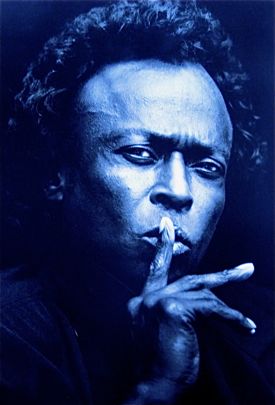
ALBUM REVIEW: ‘Miles at the Fillmore’ - Uncut 1970 Brew

Miles Davis in 1970sby , Psychedelic Sight: http://psychedelicsight.com/9942-miles-davis-fillmore/

“Miles Runs the Voodoo Down,” the song title went.

And so he did, playing dark and spellbinding music in Bill Graham’s Fillmore Auditoriums over a two-year period in the early 1970s.

“You can hear that anger and darkness and the craziness of everything that was still in the air from the ’60s when this music was made,” says the guitarist Carlos Santana, a Fillmore regular and witness to the eruption of the electric Miles Davis.

Even today, Santana remains awestruck by Davis’ psychedelic proto-funk, as is made clear in his liner notes to a significant restoration of the old live album “Miles Davis at Fillmore” that’s due from Columbia/ Legacy in March.

Davis’ psychedelic period began, more or less, when “Bitches Brew” was recorded in 1969.

He’d been absorbing psychedelic soundscapes, acid rock and the aggressive, artful new funk of James Brown’s band: “The music I was really listening to in 1968 was James Brown, the great guitar player Jimi Hendrix, and a new group Sly and the Family Stone,” Davis wrote in his autobiography.

Even the most dedicated Davis fans who’d been along for the ride with the albums “Filles de Kilimanjaro” and “In a Silent Way” were in for a shock.

When Dylan went electric, he plugged in. When Davis went electric, he stuck his finger in the socket. The jazz trumpeter was inducted into the Rock and Roll Hall of Fame for good reason.

Two months after the April 1970 release of “Bitches Brew” - June 17-20 - Davis and band played the Fillmore East in New York City.

The musicians were Chick Corea, Keith Jarrett, Dave Holland, Jack DeJohnette, Airto Moreira and Steve Grossman. A murderer’s row, to be sure, but MIA was Wayne Shorter, who’d played on “Bitches” and been replaced (sort of) on sax by Grossman - a major loss.

Columbia released a highly edited version of those concerts in a two-LP set of that fall, the abruptly named “Miles Davis at Fillmore.”

There were problems, beginning with the track names. The LP labels had only four titles: “Wednesday Miles,” “Thursday Miles,” “Friday Miles” and “Saturday Miles” - even though the group was playing discrete songs, and repeating almost all of them over the four nights.

In 1997, Columbia’s CD re-release added song titles, but the editing by producer Teo Macero remained. Macero had the thankless task of boiling down an hour or so of performance to fit on one side of an LP - one side per night.

The new set, fully titled “Miles at the Fillmore - Miles Davis 1970: The Bootleg Series Vol. 3,” rights that necessary evil: “The full unedited shows are now presented for the first time yielding 100-plus minutes of previously unreleased music,” goes the Columbia press release.

In addition there are three bonus tracks from Fillmore West gig with the Grateful Dead, two months earlier. The highlight bonus number would seem to be a 13-minute blast of “Miles Runs the Voodoo Down,” a number with a clear Hendrix influence.

The four-CD set will go for about $53, available March 25.

In 1997, Columbia/Legacy released a slate of live Davis records from 1970-1974 under the brand of “Miles Davis: Live & Electric.” They were “Live-Evil,” “Dark Magus,” “Black Beauty,” “Live at the Philharmonic Hall” and “At Fillmore.”

All remastered with 20-bit technology and liner notes from musicians, notably pianist Corea on “Black Beauty” (these are great-sounding CDs).

Even after two decades, the collective 10 CDs would prove a challenge to the most adventurous listeners of 1997.

Rock critic Robert Christgau remained dubious: “This music was electric, beat-heavy, and marketed to kids - and thus obviously worthy of suspicion if not contempt (from jazz critics).” The album “At Fillmore,” he found, “meandered overmuch”:
Like all ’70s Miles, “At Fillmore” is more inviting in the wake of ambient techno than it was in 1970, or 1980, but like most ambient techno it fails to cull the mesmerizing from the soothing from the boring. Moreover, several of its high points are provided by some of the most Milesian solos of this era, and that is not what the era was for.
Carlos Santana, of course, heard much more in Davis’ music from “the era”: “The sound of Miles at the Fillmore was the sound of the Black Panthers. It was the sound of Vietnam. It was the sound of the protesting and the beatings and the shootings. It was the sound of the hippies and fighting in the streets and consciousness revolution".

“If ever there was a time when a rock audience was willing to open their ears and hear some great modern jazz like the kind Miles was creating, it was at the Fillmore.”

Here are the tracks and performance dates:
 
"Miles at the Fillmore - Miles Davis 1970: The Bootleg Series Vol. 3"
 
Disc 1 (Fillmore East, June 17, 1970)
1. Introduction by Bill Graham • 2. Directions • 3. The Mask • 4. It’s About That Time • 5. Bitches Brew • 6. The Theme • Bonus tracks (Fillmore West, April 11, 1970): 7. Paraphernalia • 8. Footprints.
 
Disc 2 (Fillmore East, June 18, 1970)
1. Directions • 2. The Mask • 3. It’s About That Time • 4. Bitches Brew • 5. The Theme • 6. Spanish Key (Encore) • 7. The Theme.
 
Disc 3 (Fillmore East, June 19, 1970)
1. Directions • 2. The Mask • 3. It’s About That Time • 4. I Fall In Love Too Easily • 5. Sanctuary • 6. Bitches Brew • 7. The Theme • Bonus track (Fillmore West, April 11, 1970): 8. Miles Runs the Voodoo Down.
 
Disc 4 (Fillmore East, June 20, 1970)
1. Directions • 2. The Mask • 3. It’s About That Time • 4. I Fall In Love Too Easily • 5. Sanctuary • 6. Bitches Brew • 7. Willie Nelson • 8. The Theme.

Sunday, September 15, 2013

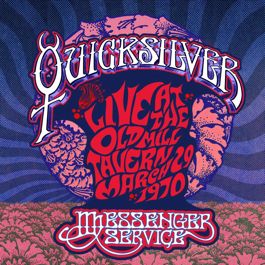
ALBUM REVIEW: A Shot of Quicksilver at the ‘Old Mill Tavern’

Quicksilver Messenger Service live album 1970
by , Psychedelic Sight: http://psychedelicsight.com/9420-quicksilver-live-cd/

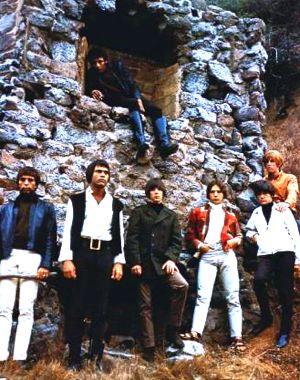
The holy grails for Quicksilver Messenger Service fans are, alas, the stuff of dreams, and no more.

There will never be a classic studio album that captured the original lineup of the San Francisco band in its fiery glory - a record that enshrines them in the psychedelic music pantheon.

Nor will there surface another live set of the primo quality of “Happy Trails.”

Into the gap have come a stream of live recordings, some barely above bootleg quality.

A startling exception came in April, with the release of “Live at the Fillmore - June 7, 1968,” a double CD from Purple Pyramid (Cleopatra) Records.

Now we have the label’s follow-up, “Live at the Old Mill Tavern - March 29, 1970.” It captures Quicksilver as it entered (or re-entered) the Dino Valenti era, as a six-piece, before the singer-songwriter turned the remains of the band into his supporting cast.

The late Valenti often got the Yoko Ono treatment for the downfall of the original psychedelic Quicksilver, justifiably so to some extent. “From many accounts,” Dave Thompson writes in the liner notes, Valenti “was already treating his bandmates as though they were hired hands.”

But this set finds Valenti bringing strengths to the lineup, as does ace pianist Nicky Hopkins. The band had just released “Shady Grove,” which (perhaps tellingly) gets no promo push in the set list. Instead, we get five new Quicksilver songs (out of eight), none of them yet recorded.

Personnel on the single-CD album are Valenti, Hopkins and the classic quartet - Gary Duncan (guitar, vocals), John Cipollina (guitar), David Freiberg (bass, vocals) and Greg Elmore (drums). The audio is better than you’d expect, a bit trebly but OK.

This being live Quicksilver, there’s “Mona,” and it’s a corker. Clocking in at a relatively restrained 8 minutes. Guitarists Cipollina and Duncan are up to their old tricks, weaving lines like jazz masters. Check out the killer wah-wah, the power of Elmore’s tribal pounding and the bar-band roll of Hopkins’ keyboards.

Valenti’s singing on “Mona” is strong and direct, hard to fault - there’s a powerful bit when the band steps up to sing gruff harmony, on the “need you baby and it ain’t no lie” line.

The album opens with “Subway” (“I’m just a country boy”) which wouldn’t find its way on record until 1970 (“What About Me”). It’s focused and obviously the most-rehearsed number.

The next song, the snappy blues “The Truth,” came out in ’71. And the other solid original, the hard rocker “Mojo,” remained on ice until 1972.

“Baby, Baby,” another song from “What About Me,” is so new Valenti half-seriously asks the audience for suggestions on how to make it work: “We’ve never heard it before we walked up on the stage.” It has a ragged charm, unlike the lame eco-protest “Rain” that follows.

For some, the five new songs will simply be prelude to two extended jams with the harp player James Cotton - adding up to about 23 minutes.

The first piece (“Stepping Out”) is a terrific piece of blues rock, with Cotton snake-charming the band. You half expect to hear Paul Butterfield’s vocals kick in. The lengthy second jam (“Flip Flop and Fly”) is more of the same, with extended soloing.

Liner notes writer Thompson argues that this record is proof that, at least for the moment, “one of the finest jam bands in history (wasn’t) becoming a folky-rocky-pop vehicle for singer-songwriter Valenti.” History, he writes, “can take a flying jump.”

Liner notes: Bo Diddley, composer of “Mona,” lived on some land outside Gainesville, Fla., in the late 1970s. My pal Bill wrote a feature article about the old Chess Records rocker, who wasn’t getting much run in those days. Newspaper editors around the country were eager to print the story, though. I was along for the ride when Bill brought Diddley a stack of clippings.

Diddley was gruff but nice enough. He spent much of our hourlong visit complaining about the people who’d robbed him of his music and his money. At one point, he broke out one of his famous cigar-box-shaped guitars and played some of those immortal riffs, standing there in a field.

When he opened the guitar case, he pulled out a T-shirt advertising some oldies concert and threw it my way (I wore it to tatters).

Anyway, I asked Bo Diddley what he thought of Quicksilver Messenger Service and their half-hour takes on his songs. He looked at me through half-closed eyes and said he’d never heard of them. But, he was sure, they were robbing him of his music and his money.

Sunday, July 21, 2013

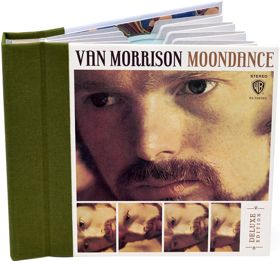
ALBUM REVIEW: ‘Moondance’ Rises Again: 5-Disc Set

Van Morrison released Moondance in 1970by , Psychedelic Sight: http://psychedelicsight.com/moondance-deluxe-edition/

After years of neglect, Van Morrison’s “Moondance” album comes skipping back via a full-blown “deluxe edition.”

The five-disc box set, due Sept. 30, includes four CDs and a Blu-ray version of the album with 5.1 surround DTS-HD Master Audio.

Much of the Warner Music box set is dedicated to multiple studio takes of songs from the 1970 album.

To no one’s surprise, an angry Morrison immediately distanced himself from the release:
Yesterday Warner Brothers stated that “Van Morrison was reissuing Moondance.” It is important that people realize that this is factually incorrect. I did not endorse this, it is unauthorized and it has happened behind my back. My management company at that time gave this music away 42 years ago and now I feel as though it”s being stolen from me again.
The notice was posted on Morrison’s web site.

For those not in need of six takes of “Caravan” or “Brand New Day,” Warner is offering an “expanded edition” with two CDs. Disc 1 has the original album while the second has highlights of discs 2-4 from the box set.

Amazon lists the deluxe edition at $75 while the expanded version goes for $25. There is also a single CD with just the album (no bonus tracks) at $14. The Blu-ray disc won’t be available separately. In addition to its 5.1 surround presentation, there is a 48K 24 bit PCM stereo track.

Warner owns the rights to what are essentially Morrison’s first three solo albums: “Astral Weeks,” “Moondance” and “His Band and the Street Choir.” The domestic CDs date back to the early days of the format - and are embarrassingly dated in terms of audio quality.

The three albums were remastered and rereleased on CD in Japan in 2008 as part of the Warner-Pioneer “Forever Young” series (with the Japanese “Moondance” coming out again this month).

Domestic 180-gram vinyl versions of the three albums date back about five years - mastered by Kevin Gray and Steve Hoffman at AcousTech Mastering. They remain available.

The Gray-Hoffman mastering is not being used for the new Warner release, according to Hoffman’s music forum (“We made a digital master just in case but I doubt WB ever will use it for anything”).

Britain’s Uncut magazine, which broke the “Moondance” story, said the deluxe edition “will be presented in a linen-wrapped folio and includes a booklet with liner notes from Alan Light (of Spin magazine) and original engineer Elliot Scheiner.”

The “Moondance” album was Morrison’s breakthrough as a solo artist. It found its audience via heavy play on the underground FM rock stations popping up around the nation.

“Unlike Van’s masterful ‘Astral Weeks,’ this one will be immensely popular,” Rolling Stone wisely predicted in its “Moondance” record review of March 1970. “His new music is getting more airplay on FM stations than anything in recent memory.”

The title track, a staple of weddings and easy listening radio, is perhaps Morrison’s best-known song. It was not released as a single until seven years after the album’s release. “Come Running,” the single from the “Moondance” album, cracked the top 40 in 1970.

No related plans have been revealed for “Astral Weeks,” considered one of the true masterworks of 1960s rock and a “holy grail” title for Morrison fans seeking improved audio quality.

“Astral Weeks” often is classified as a psychedelic folk record, but “Moondance” found the Irish singer tilting toward the R&B mode he favored for decades.

Still, the exotic “Moondance” tracks “Caravan,” “And it Stoned Me” and “Into the Mystic” easily qualify as underground music classics.

In addition to the various studio takes of “Moondance” songs there are a few other goodies in the box set:

“I Shall Sing,” a song Morrison recorded for the album but didn’t use, is included with multiple takes. There’s also an “outtake” of “Nobody Knows You When You’re Down and Out” and four remixes of “Moondance” songs.

Friday, July 19, 2013

ALBUM REVIEW: The Candid Stories Behind Joni Mitchell's "Blue", Part 3

by Garrett Sawyer

Here as I conclude the journey through the hills and valleys of Joni Mitchell's "Blue" we visit an old collapsed marriage and a doomed current love affair.

This Flight Tonight

This is the other song that Mitchell wrote for James Taylor. Taylor was filming "Two Lane Blacktop" in Tecumcari, New Mexico and Mitchell flew to be with him.

We don't like to think of our heroes and idols as having faults and dark sides but, like it or not, they do. Taylor had his ... and I'm not referring to his heroin addiction.

I'm speaking of the fact that Joni confided to those close to her that he was always judging her harshly, that his Dr. Jekyll was matched by a Mr. Hyde full of criticism.

The mixed feelings of love and hurt came out in this song where she's just visited her lover but regrets leaving him almost the moment the plane takes off. (Sample lyric: "You got the touch so gentle and sweet but you've got that look so critical. Now I can't talk to you baby. I get so weak").

River

Mitchell knew her own faults as well and she lists them in candid detail here. Among other things she made her "baby" cry, hard to handle, selfish, sad.

Not only that but she lost the best "baby" she ever had by making him say goodbye. (Sample lyric: "I wish I had a river so long. I would teach my feet to fly. Oh, I wish I had a river I could skate away on.)

A Case Of You

This song is proof that Joni Mitchell read Shakespeare.

The line "I am as constant as a Northern star" is directly lifted from Julius Caeser, III, 1: "But I am constant as the northern star, of whose true-fixed and resting quality there is no fellow in the firmament" where Caeser arrogantly refuses to restore the citizenship of a banished citizen.

Again, the bittersweet nature of her relationship with her lover is in full view, this time inspired (in part) by Leonard Cohen.

The "case" of the title is a cute little pun referring simultaneously to the course of an illness and to a quantity of wine bottles, that she could drink a "case" of her lover and still be standing. (Sample lyric: "On the back of a cartoon coaster in the blue TV screen light I drew a map of Canada, Oh, Canada, with your face sketched on it twice).

The Last Time I Saw Richard

The closing song on "Blue" possibly refers to her short-lived marriage to her first husband Chuck Mitchell. She acknowledged later that they had married for all the wrong reasons. They were also virtually penniless.

Shortly after they married Chuck, who knew about the baby Joni had given up for adoption only a month earlier, strongly suggested he didn't want to raise another man's child, adding to the distance between them.

Then one night, after a particularly volatile fight that ended with Chuck acknowledging he turned the future star over his knee and spanked her, Joni decided she'd had enough and enlisted a perfect stranger she met at a poker game to help her move half of their possessions out of their apartment.

When he found out Chuck changed the locks. Next stop for Joni: New York. (Sample lyric: "Only a dark cocoon before I get my gorgeous wings and fly away, only a phase, these dark cafe days").

As I've lamented on many an occasion, it's regrettable that such unpleasant memories are often translated into such outstanding art. The good news was that Joni Mitchell's "Blue" was as exquisite as its subject matter was painful.

If you like Joni Mitchell's "Blue" then you'll like a song inspired by the story of a young soldier who returned from Iraq. For a limited time only you can download that song for FREE by clicking HERE.

Download your free mp3 at: http://www.garrettsawyer.net/am/

Article Source: http://EzineArticles.com/?expert=Garrett_Sawyer
http://EzineArticles.com/?The-Candid-Stories-Behind-Joni-Mitchells-Blue,-Part-3&id=7867354

Thursday, July 18, 2013

ALBUM REVIEW: The Candid Stories Behind Joni Mitchell's "Blue", Part 2

by Garrett Sawyer

In "Blue" Joni Mitchell captured with unusual candor the cul-de-sac that life had caught her in. She would describe this period herself as an emotional descent into depression where everything in her life was questioned.

Carey

In "All I Want" Mitchell sang incessantly about traveling. Here is one of her destinations.

On the Greek island of Crete in the cave-dwelling village of Matala she met a chef with bright red hair by the name of Cary Raditz. His restaurant, Kytama/Waves, is the Mermaid Cafe referred to in the second verse.

When Mitchell and a girlfriend met him he was working at a restaurant named Delphini and for an introduction the Indian-turbaned Raditz promptly lit a gas stove, which exploded, singeing half of the hair off of his beard and legs, melting his earring and scorching his turban. Guys, don't try this at home.

Joni actually moved into Cary's cave, staying for five weeks and gaining weight because of his cooking. And, yes, he really did use a cane to walk. The best that can be said for him is that he brightened her mood.

The worst is that he really was a "mean old daddy" who later recalled that he wouldn't have wanted to be with someone like himself. (Sample lyric: "My fingernails are filthy, I got beach tar on my feet, and I miss my clean white linen and my fancy French cologne").

Blue

Mitchell had broken up with Graham Nash and started a close relationship with James Taylor. She was convinced she had found her soul-mate; Taylor eventually left her heartbroken.

Though she never names him the song makes multiple allusions to him, such as "needles" and "underneath the skin". (Sample lyric: "Everybody's saying that hell's the hippest way to go. Well I don't think so but I'm gonna take a look around it though. Blue, I love you").

California

She missed the Golden State so she wrote this song. If you listened to "Carey" carefully you'll recognize Cary Raditz in the second verse as the redneck rogue on the Greek Isle who could cook omelets and stews, gave her back her smile, and took her camera and sold it.

But it's a song that's also filled with disillusionment where even in the idyllic Paris the news about the war (i.e. Vietnam) is bad.

She also can't get away from her fame, even in the most out-of-the-way corners of Spain. (Sample lyric: They won't give peace a chance. That was just a dream some of us had").

The only thing that matched the honesty that Joni Mitchell put into "Blue" was the beauty of the vividly detailed imagery she used to express it. Look at the sample lyrics above to see how it ought to be done.

If you like Joni Mitchell's "Blue" then you'll like a song inspired by the story of a young soldier who returned from Iraq. For a limited time only you can download that song for FREE by clicking HERE.

Download your free mp3 at: http://www.garrettsawyer.net/am/

Article Source: http://EzineArticles.com/?expert=Garrett_Sawyer
http://EzineArticles.com/?The-Candid-Stories-Behind-Joni-Mitchells-Blue,-Part-2&id=7867301

Wednesday, July 17, 2013

ALBUM REVIEW: The Candid Stories Behind Joni Mitchell's "Blue", Part 1

by Garrett Sawyer

Among songwriters who would win the prize for brutal honesty? Obviously, there's no way to quantify so it's impossible to rank them all but if you made a list of the most candid works Joni Mitchell would certainly earn a place for her painfully frank album "Blue".

Without a doubt Mitchell was at her most vulnerable, describing herself as having no personal defenses while comparing herself to a cellophane wrapper on a pack of cigarettes.

All I Want

On the one hand there's autonomy and on the other hand there's the dependency and partial loss of identity created by love. In this song she balances the two. She wants love to bring out the best in herself and in her lover but can't escape the fact that love is a package deal.

Once love was an adventure but now she knows it has its downside. And she's on a journey looking for the solution but doesn't know where to find it. (Sample lyric: "I love you when I forget about me").

My Old Man

You have to remember that while utterly commonplace now the very mention of "cohabitation" in the late 60's and early 70's was enough then to cause raised eyebrows, if not low-level scandal.

To legitimize the phenomenon Mitchell wrote this song about her housemate Graham Nash to put a gentle frame around it, tongue ever-so-slightly in cheek. (Sample lyric: "But when he's gone me and them lonesome blues collide. The bed's too big. The frying pan's too wide").

Little Green

This is the song Mitchell had held back releasing for so long. Keep in mind that she had given birth to a baby girl out-of-wedlock in 1965 when she was just a poor folk singer in Toronto. The baby's father was Brad MacMath, another first year art classmate.

She gave the baby up for adoption due to her own poverty. Years later when she became famous the existence of the child was unknown to the public and would remain that way until 1993 when the story of the pregnancy was sold to a tabloid.

The daughter, originally named Kelly Dale Anderson, was renamed Kilauren by her adoptive parents David and Ida Gibb. Mother and daughter were finally reunited in 1997. To say that the birth of this child had an effect on Mitchell and her musical career is an understatement.

This confessional song is the cornerstone of the album but was written so obliquely that listeners didn't really understand its true meaning, "Little Green" being Joni's nickname for her baby girl Kelly (as in the color green).

It alternates between explanation, farewell and grief to the daughter she felt she had no choice but to say goodbye to. (Sample lyric: Little green, be a gypsy dancer ... little green, have a happy ending").

If writing about the heartbreak of giving up a child for adoption isn't baring your soul I'm not sure what is. Joni Mitchell had no reason to assume she'd ever see or hear of this child again, channeling her anguish into her masterwork, "Blue" instead.

If you like Joni Mitchell's "Blue" then you'll like a song inspired by the story of a young soldier who returned from Iraq. For a limited time only you can download that song for FREE by clicking HERE. Download your free song at: http://www.garrettsawyer.net/am/

Article Source: http://EzineArticles.com/?expert=Garrett_Sawyer
http://EzineArticles.com/?The-Candid-Stories-Behind-Joni-Mitchells-Blue,-Part-1&id=7865534

Monday, July 8, 2013

Q3 on Record: Love, Hendrix, Blind Faith

by , Psychedelic Sight: http://psychedelicsight.com/record-roundup-q3-13/

Love, Jimi Hendrix, Blind Faith and Yes are among the psychedelic-era artists with albums ready for resurrection in the third quarter of 2013.

The vinyl revivalists will continue to pack the shelves of your favorite indie record store with psychedelic classics. Other formats in this record roundup include hybrid SACDs, CDs and MP3s.

Psychedelic band Love from Los Angeles with second album

Love’s “Da Capo” makes its debut on hybrid SACD on July 30, via Mobile Fidelity. It’s billed as direct from the original master tapes, as was Sundazed’s vinyl release. “Da Capo” has many fans, despite its split personality:

Side 1 is the run-up to the band’s classic “Forever Changes,” with six breathtaking psychedelic classics that incorporate rock, Latin rhythms, jazz and classical.

Side 2, notoriously, is surrendered to a 19-minute jam, one that has done a good bit of damage to the otherwise brilliant album’s rep (for many Love fans, “Da Capo” is more or less an EP).

The “hit” is the fast and furious “Seven & Seven Is,” quite possibly the most explosive 2 1/2 minutes in ’60s rock, its speed rush ended by an atomic blast. “Da Capo” ranks No. 37 on Psychedelic Sight’s list of the top 50 psychedelic albums.

The release raises hopes of an SACD release of “Forever Changes,” which has seen seemingly endless reissues on CD and vinyl. (Warner Music Japan has just rereleased the album on CD with “2013 digital remastering.”)

Love frontman Arthur Lee’s “Black Beauty” recently resurfaced on 180 gram vinyl, also in a numbered limited edition. The album, credited to a 1973 version of Love, was produced by Paul Rothchild, who also oversaw “Da Capo.”

Jimi Hendrix Live in CologneThe “official bootleg” of Hendrix’s “Live in Cologne” debuts July 9 on CD. It chronicles the Experience’s January 1969 performance at the Sporthalle center in Germany.

“The Jimi Hendrix Experience: Live In Cologne” was sourced from a mono audience recording, and long has been available as a bootleg.

“This recording is not without various technical flaws and sonic limitations,” warns Dagger Records, which is owned by the Hendrix family.

The vinyl version debuted in November via Dagger as the 12th in its series of live and bootlegged recordings.

The Experience featured Noel Redding and Mitch Mitchell, the classic lineup that would last only another six months.

In addition to the regular Experience set - “Fire,” “Foxey Lady,” “Hey Joe” and so on - the show included the New Orleans rocker “Come On (Let the Good Times Roll)” and a cover of Cream’s “Sunshine of Your Love.”

Blind Faith's controversial album cover
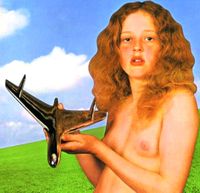
Blind Faith’s debut album, in fact its only album, is back on vinyl in a double-disc import edition released July 2.

The set features the original U.K. cover - the artsy-strange one with a naked pre-teen girl. In the U.S., the blah LP cover had Eric Clapton, Stevie Winwood and the rest of the band posing.

The second Blind Faith disc offers five bonus tracks, including an electric take on “Can’t Find My Way Home” and two versions of the unreleased “Sleeping in the Ground.” There’s also an “acoustic jam.”

Most of those tracks can be found on Universal’s Deluxe Edition CD of 2001, but apparently this marks their debut on vinyl.

Steppenwolf’s debut album finally made it to market on 200 gram vinyl after numerous delays; the hybrid SACD version reportedly comes out Aug. 6 from Analogue Productions.

For all its ubiquity in the late 1960s, “Steppenwolf” has been scarce in recent years, with the last domestic CD version released 23 years ago.

Cohearent Audio did the new “Steppenwolf” mastering, always good news. The LP’s psychedelic classics include “Magic Carpet Ride” and “The Pusher.”

On the space jazz front, Weather Report’s “Mysterious Traveller” streaks back to Earth via 180 gram vinyl on July 24. It’s the closest thing to a psychedelic album made by the pioneering jazz fusion outfit, opening with Josef Zawinul’s stunning “Nubian Sundance.”

The long-awaited hybrid SACD of Vangelis’ “Blade Runner,” the electronic music soundtrack - simultaneously creepy and chill - comes out July 10 from Audio Fidelity.

An hour’s worth of music with classic dialog mixed in. Cohearent Audio did the remastering (a red vinyl version just came out).

Also from the astral plane comes “In a Silent Way,” the 1969 Miles Davis record with John McLaughlin that paved the way for “Bitches Brew.” It was Davis’ initial response to the electronic psychedelic music of the day.

“Silent Way” is due on 180 gram vinyl (numbered, limited) July 10 via Mobile Fidelity (if the new 180 gram “Milestones” is an indicator, expect stunning sonics).

Yes revisits “Yesterdays,” the compilation album mined from the prog rockers’ first two albums and led off by the band’s brilliant take on “America.” It’s set for July 30 as part of Friday Music’s 180 gram vinyl series of Yes albums.

Yes man Rick Wakefield went solo in 1973 with the ambitious “The Six Wives of Henry VIII,” the concept album not surprisingly finding its biggest success in the U.K. Plastic Head brings the double-album set back to vinyl Aug. 6.

King Crimson’s “Red” is due July 16 on 200 gram vinyl, from Discipline Global Mobile. The 1974 album includes the 12-minute debut of “Starless.”

“Higher!” the Sly and the Family Stone box set from Sony Legacy, rolls in Aug. 27 in various formats, including 180 gram LPs.

“Nearly one-fourth of the contents will be previously unissued material,” Legacy says. Stone’s psych-funk classic “There’s a Riot Goin’ On” has shipped on hybrid SACD from ORG Music.

“Blood, Sweat & Tears” was the first - and by far best - BS&T album, with Al Kooper at the controls. The album, a longtime audiophile favorite, has another go with a “gold CD” just out from Impex.

The adventurous album is in stark contrast to the radio-friendly BS&T material to come. Kooper, meanwhile, has the two-fer “Black Coffee/White Chocolate” set for Sept. 17.

Other psychedelically tinged releases of note:

Dead Meadow’s first album returns remixed/remastered on vinyl (Xemu Records, Sterling Sound), Aug. 6; Todd Rundgren’s “Hermit of Mink Hollow” on 180 gram (Friday Music), Aug. 20; “Fleetwood Mac: 1969-1972″ box set on vinyl (Rhino), Aug. 20; Nick Drake’s psych-folker “Five Leaves Left” in a new single LP version, Aug. 27; and the Beach Boys’ box set “Made in California” (many unreleased tracks), Aug. 27.

And the new albums: The Arctic Monkeys “AM” on Sept. 10; MGMT’s “MGMT” on Sept. 17; Yoko Ono’s “Take Me to the Land of Hell,” Sept. 17 (check the trippy advance track); Moby’s “Innocents” with guests including Wayne Coyne, Oct. 1 (all in multiple formats including vinyl).

Just out: John Mayall’s concept album “Bare Wires” with Mick Taylor, on 180-gram LP from Music on Vinyl. The 1968 album includes the trippy tracks “Fire,” “Look in the Mirror” and “Bare Wires.”
From the mysterious land of TBA we have:
  • Roger Waters’ “Amused to Death” on a hybrid stereo SACD and 200 gram vinyl record (apparently delayed again).
  • The Grateful Dead’s “From the Mars Hotel” with a 180-gram vinyl release (Mobile Fidelity). Numbered, limited and half-speed mastered.
  • “Santana III” on vinyl from Mobile Fidelity.
  • The first two Chicago Transit Authority albums, numbered and limited on hybrid stereo SACD, from Mobile Fidelity.
  • “Highway 61 Revisited” on audiophile 45rpm discs, from Mobile Fidelity.
Note: Release dates for vinyl and SACD titles remain fluid until they actually ship. This record roundup will be updated as needed through the quarter. SACDs are all hybrids unless specified otherwise; they work on a CD player but not in advanced resolution.